
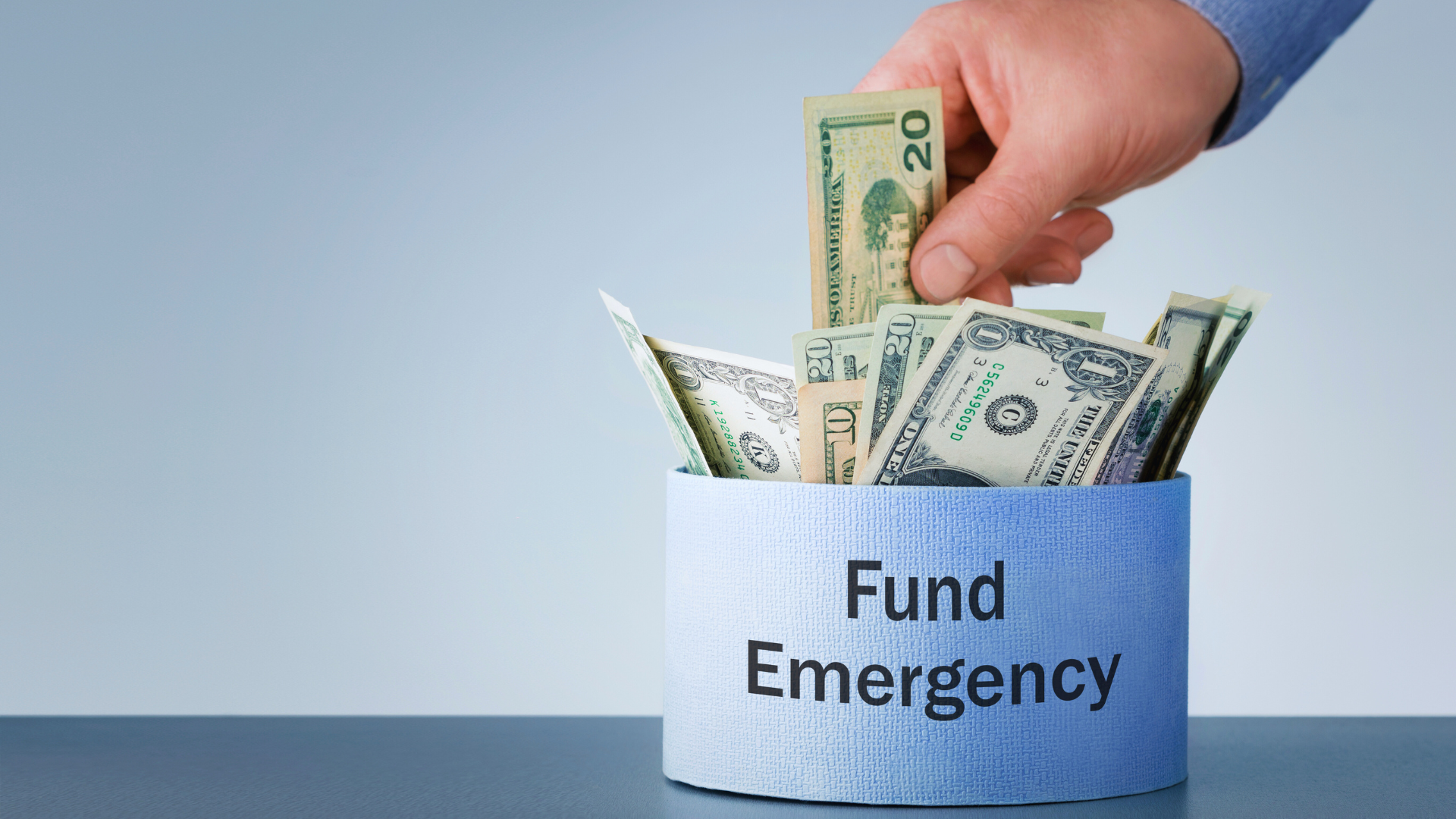
An emergency fund is a crucial financial safety net that helps you cover unexpected expenses without going into debt. Experts generally recommend saving three to six months’ worth of essential living expenses as an ideal emergency fund size.
The exact amount depends on your personal situation, such as job stability and monthly costs. Having this fund ensures you can handle emergencies like medical bills, car repairs, or job loss with greater confidence.
What Is an Emergency Fund?
An emergency fund is a financial safety net designed to cover unexpected expenses. It should be easily accessible and sufficient to sustain basic living costs during unforeseen events. Understanding its purpose, the types of emergencies it addresses, and how its assets are held is essential for effective financial planning.
Purpose of an Emergency Fund
The primary purpose of an emergency fund is to provide financial stability during sudden, unplanned situations. It protects against income loss, such as job termination or reduced work hours, and helps cover urgent expenses like medical bills, car repairs, or home maintenance.
Having an emergency fund reduces the need to rely on high-interest debt, such as credit cards or payday loans, in times of crisis. It also allows individuals to make clearer decisions without immediate financial pressure. Ideally, the fund ensures that day-to-day living expenses are covered for several months.
Types of Financial Emergencies
Financial emergencies vary but typically include job loss, medical emergencies, urgent home or car repairs, and sudden travel for family emergencies. Each situation demands quick access to funds without incurring penalties or significant loss of value.
Unexpected bills for medical treatment or equipment often require immediate payment, making an emergency fund critical. Home issues like a broken furnace or leaking roof may also demand prompt repair to avoid further damage. Having a well-funded emergency reserve prevents the need to liquidate investments at a loss or borrow expensive loans.
Liquid Versus Non-Liquid Assets
An emergency fund should primarily consist of liquid assets—cash or cash equivalents—that are quickly accessible without fees or delays. Savings accounts, money market accounts, and short-term certificates of deposit are common liquid options.
Non-liquid assets, like retirement accounts or real estate, are less suitable because withdrawing from them often incurs penalties, taxes, or delays. While these can be backup options, they should not replace a core emergency fund. Liquidity ensures immediate access, which is crucial in emergencies where timing matters.
How to Determine the Right Emergency Fund Size
The size of an emergency fund depends on your monthly expenses, job stability, and personal circumstances. Understanding typical recommendations and the key factors that affect your needs can lead to a more precise emergency savings goal.
General Guidelines for Emergency Fund Amounts
Most experts suggest saving 3 to 6 months’ worth of essential living expenses. This covers rent, utilities, food, insurance, and minimum debt payments if income stops.
For example, if your monthly essentials total $3,000, the fund should be between $9,000 and $18,000. This range protects against common financial disruptions like job loss or unexpected medical bills.
Some recommend 6 months for added security, especially if income is irregular. Others find 3 months sufficient if they expect quick employment or have additional financial support.
Factors Impacting Emergency Fund Needs
Job stability plays a critical role. Those with steady employment and a low risk of layoffs may need less. Freelancers, contractors, and gig workers should save more due to income unpredictability.
Monthly expenses matter too. If fixed costs like mortgage and insurance are high, a larger fund is safer. Also, access to credit or liquid investments can influence the necessary cash buffer.
Health and dependents affect the amount as well. Higher medical costs or supporting multiple family members increase the need for a bigger emergency fund.
Adjustments for Personal Situations
If you have multiple income streams, your emergency fund target can be smaller. Some use income from a secondary job to cover expenses during emergencies.
Homeowners may need extra savings to cover maintenance, repairs, or property taxes in addition to basic living costs. Renters typically face fewer obligations.
Consider upcoming life changes like moving, school, or a career switch. These events might justify increasing your fund temporarily for added financial flexibility.
Emergency Fund Recommendations for Different Lifestyles
Emergency fund needs vary based on income structure and job stability. Factors such as monthly expenses, income reliability, and potential financial responsibilities all affect how much should be saved.
Single Income Households
For single-income households, an emergency fund covering 6 to 9 months of essential expenses is usually recommended. Since the household depends on a single paycheck, there is less margin for income disruption.
Essential expenses include housing, utilities, food, transportation, and healthcare. Higher fixed costs or dependents might justify increasing the fund size closer to 9 months.
A larger emergency fund reduces stress and provides security when unexpected job loss or major expenses occur.
Dual Income Households
Dual-income households generally require a smaller emergency fund, typically around 3 to 6 months of expenses. Having two income streams diversifies risk and improves financial resilience.
If both earners have stable jobs, closer to 3 months may suffice. If one or both work in volatile industries, aiming for 6 months is safer.
Sharing expenses and responsibilities often lowers the total fund needed, but it should still be customized based on dependents and monthly costs.
Freelancers and Gig Workers
Freelancers and gig workers face irregular income, so a larger emergency fund is necessary. A recommended target is 6 to 12 months of living expenses.
Income variability and lack of employer benefits create higher financial risk. Tracking monthly income fluctuations can guide the exact fund size.
Building a buffer beyond essential expenses is prudent to cover lean periods and unexpected costs like taxes or healthcare.
Adjusting Emergency Fund Size for Life Stages
Emergency fund needs vary depending on personal circumstances, financial responsibilities, and income stability. Each life stage demands a tailored approach to ensure adequate coverage without locking away excessive funds.
Young Professionals
Young professionals typically have fewer financial obligations but face income volatility and limited credit history. An emergency fund covering 3 to 6 months of essential expenses is advisable. This includes rent, utilities, food, and transportation.
Because job changes or career shifts are common, having a buffer allows flexibility without incurring debt. Young professionals should focus on building this fund gradually while managing student loans or other early liabilities.
Families with Children
Families require a larger emergency fund due to additional costs such as childcare, education, and healthcare. A reserve of 6 to 12 months of essential living expenses is recommended. This broader safety net accounts for potential disruptions like job loss or unexpected medical bills.
Variable costs like childcare can increase unpredictably. Parents should review and adjust their emergency fund regularly to reflect changes in family size or expenses. Prioritizing accessible, low-risk savings options maintains liquidity during emergencies.
Retirees
Retirees often rely on fixed incomes, making cash availability important for unexpected expenses not covered by insurance or pensions. A fund covering 6 to 9 months of essential expenses is generally sufficient.
Health care costs may fluctuate, so retirees should include this variable when calculating their fund size. Preservation of principal is critical; funds should remain in liquid, low-risk accounts to avoid impairing financial stability during emergencies.
Common Mistakes in Calculating Emergency Fund Size
Many people miscalculate their emergency fund by missing key expenses or not accounting for variability in spending. Accurate budgeting requires attention to both regular and irregular costs to avoid shortfalls during a crisis.
Underestimating Living Expenses
A frequent error is underestimating day-to-day living costs. Essential expenses like rent, utilities, groceries, and transportation often increase over time due to inflation or lifestyle changes.
Some budgets exclude non-monthly expenses such as annual insurance premiums or property taxes, which can create gaps. It is important to track spending over several months to get an accurate average.
Creating a detailed expense list can help identify all necessary costs. Include minimum payments on debts and health-related expenses to avoid surprises during emergencies.
Overlooking Irregular Costs
Irregular or seasonal expenses are often ignored when calculating emergency funds. These include car repairs, medical bills, holiday spending, and home maintenance.
Because these costs don’t occur monthly, they are easy to forget but can be substantial. For example, a single car repair can exceed several hundred dollars and disrupt an emergency fund if not planned for.
Track irregular expenses over the past year to estimate an average monthly amount. Adding this amount to your emergency fund target provides a better financial cushion.
| Irregular Expense | Suggested Monthly Allocation |
| Car repairs | $50-$100 |
| Medical expenses | $75-$150 |
| Home maintenance | $40-$80 |
| Holidays/Big Purchases | $30-$70 |
Where to Keep Your Emergency Fund
Emergency funds should be accessible and safe while earning some interest. Liquid accounts with low risk are the best options for quick access and stability.
High-Yield Savings Accounts
High-yield savings accounts offer better interest rates than traditional savings accounts. They are typically FDIC insured up to $250,000, ensuring the safety of your money.
Funds in these accounts can be accessed quickly, usually with no penalties or restrictions beyond federal limits on monthly withdrawals. Many banks allow transfers to checking accounts within a day or two, making this ideal for emergencies.
Interest rates vary but generally range between 3% and 5% APY as of 2026. Look for accounts with no monthly fees to maximize returns.
Money Market Accounts
Money market accounts combine features of savings and checking accounts. They typically offer higher interest rates than regular savings accounts with limited check-writing and debit card access.
Like high-yield savings, money market accounts are FDIC-insured. These accounts often require a higher minimum balance but provide flexible access to your emergency funds.
Interest rates can be competitive, sometimes slightly higher than high-yield savings, but vary by institution. They can be a good choice for those who want easy access without sacrificing returns.
Short-Term Certificates of Deposit
Short-term CDs lock your funds for a fixed period, usually from 3 to 12 months, offering higher interest rates than savings accounts. Early withdrawal penalties apply, so they’re less flexible for urgent needs.
They are FDIC-insured and provide a guaranteed return, which is beneficial when rates are rising. Choose CDs with terms that match your liquidity needs to avoid penalties.
CDs can help grow part of your emergency fund that you don’t expect to use immediately, but want to keep safe and earn more interest.
How to Build and Grow Your Emergency Fund
Building an emergency fund requires clear goals, consistent saving habits, and strategies to keep it funded after expenses. Careful planning and automation can make the process more manageable and less prone to interruptions.
Setting Savings Goals
Start by calculating your essential monthly expenses, including housing, utilities, food, transportation, and insurance. Multiply this number by the number of months you want to cover, typically three to six months, to determine your target fund size.
Break this total into smaller, manageable milestones. For example, if your goal is $6,000, set monthly or weekly savings targets to reach this more easily. Use a spreadsheet or budgeting app to track your progress visually. Adjust your timeline if needed, balancing between speed and affordability.
Automating Contributions
Automate transfers from your checking account to your emergency savings to create consistency. Set a fixed amount to transfer right after each paycheck arrives. This removes the temptation to spend before saving.
Choose a separate savings account with no easy withdrawals to reduce the risk of impulsive use. Many online banks offer higher interest rates on savings accounts, which helps your money grow while untouched.
Replenishing After Use
If you need to use your emergency fund, prioritize rebuilding it quickly. Resume your automated contributions immediately and consider temporary increases until the fund returns to its target size.
Document the expense that required the withdrawal to differentiate real emergencies from discretionary spending. Avoid using your emergency fund for non-urgent costs to preserve its purpose and avoid repeated depletion.